
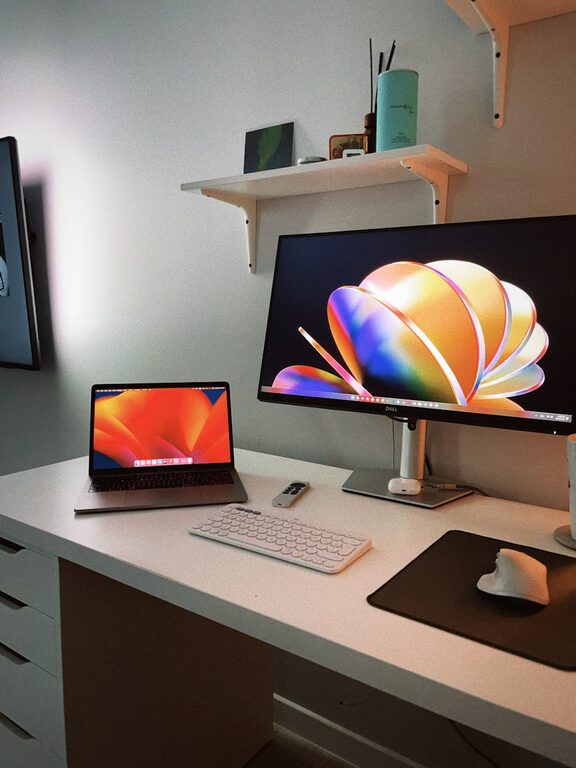
Creating an organized workspace can significantly enhance both your productivity and comfort throughout the day. Whether you work from home or in an office, a neat and thoughtfully arranged workspace helps minimize distractions, reduce stress, and increase focus. In this post, we’ll explore simple strategies you can apply to organize your workspace efficiently and enjoyably.
Why Organize Your Workspace?
Before diving into tips, it’s important to understand the benefits of an organized workspace:
– Improved focus: Clutter can be distracting and mentally tiring.
– Better time management: Knowing where everything is saves you from wasting time searching for items.
– Enhanced comfort: A tidy, well-arranged area feels more inviting and reduces physical strain.
– Increased motivation: A pleasant environment can motivate you to work more effectively.
With these advantages in mind, let’s look at how to organize your workspace in easy steps.
Step 1: Declutter Your Desk
Start by clearing everything off your desk. Remove unnecessary papers, old stationery, or items that don’t support your daily work.
– Sort items into three piles: keep, discard, or relocate.
– Use a trash bin or shredder to dispose of unneeded papers.
– Relocate personal items or decorations that don’t add value or focus to another space.
A clean surface allows you to design your workspace purposefully without distractions.
Step 2: Assess Your Workspace Setup
Look at the basic layout and ergonomics:
– Desk and chair: Ensure your chair supports your back and desk height allows your elbows to rest comfortably at 90 degrees.
– Monitor placement: Position your screen at eye level, about an arm’s length away.
– Lighting: Use natural light if possible; add a desk lamp with adjustable brightness to reduce eye strain.
Comfortable seating and proper lighting are crucial for long hours of work.
Step 3: Organize Essential Supplies
Keep frequently used items within easy reach to avoid interrupting workflow.
– Use desk organizers, trays, or cups to hold pens, paper clips, sticky notes, and other essentials.
– Avoid overcrowding by limiting these to what you use daily.
– Store less frequently used items in drawers or shelves nearby.
This approach minimizes clutter while ensuring your tools are accessible.
Step 4: Manage Cables Smartly
Cables and wires can create a tangled mess that adds to the clutter.
– Use cable clips, ties, or sleeves to bundle cables neatly.
– Position power strips and chargers out of direct view, such as under the desk or behind equipment.
– Label cables to quickly identify devices when unplugging or moving.
A clean cable setup improves both the look and functionality of your workspace.
Step 5: Personalize Thoughtfully
While keeping it organized, adding a few personal touches can make your workspace more welcoming.
– Place a small plant or a photo frame to boost mood.
– Choose accessories or stationery in colors or styles that inspire you.
– Avoid overcrowding with personal items; keep it subtle and intentional.
Personalization adds comfort without sacrificing order.
Step 6: Establish Daily and Weekly Habits
Maintaining an organized workspace requires consistent care.
– Spend 5 minutes at the end of each day tidying your desk.
– Review and file relevant documents weekly.
– Regularly reconsider items on your desk to prevent buildup of clutter.
Small daily habits prevent mess from accumulating and keep your environment productive.
Step 7: Utilize Digital Organization
Digital clutter can also impact productivity.
– Organize files and folders on your computer using clear names and categories.
– Use cloud storage for easy access and backup.
– Schedule regular digital cleanups, deleting unnecessary files and emails.
A tidy digital space complements your physical workspace for maximum efficiency.
Final Thoughts
Organizing your workspace doesn’t have to be daunting. By decluttering, arranging essentials for easy access, managing cables, adding thoughtful personal touches, and maintaining daily habits, you create a comfortable environment that promotes focus and productivity. Try implementing these strategies one step at a time and notice how your workday improves in both ease and enjoyment.
Remember: a well-organized workspace is an investment in your work quality and wellbeing. Happy organizing!