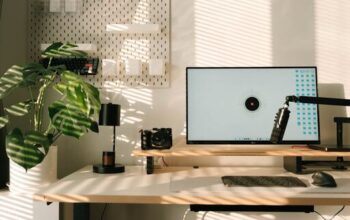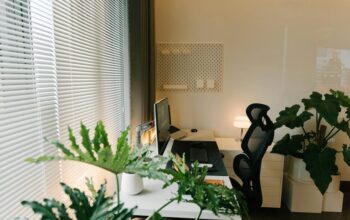
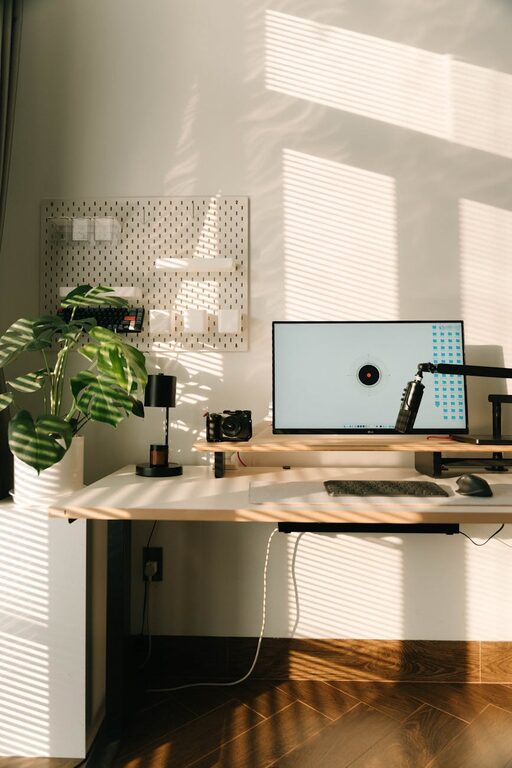
Creating a relaxing home office environment is essential for maintaining focus, reducing stress, and enhancing productivity. Whether you work full-time from home or need a dedicated space for occasional tasks, designing a calm and comfortable workspace can have a big impact on your well-being and work quality. Here are practical tips to help you transform your home office into a serene and efficient place.
Choose the Right Location
Your home office should be in a part of your home where you feel comfortable and can work without frequent distractions.
– Quiet space: Select a room or nook away from noisy areas like the kitchen or living room.
– Natural light: Position your desk near a window to enjoy daylight, which improves mood and alertness.
– Privacy: If possible, choose a space with a door to reduce interruptions and clearly separate work time from personal life.
Invest in Comfortable Furniture
Comfort is key to creating a space where you want to spend your working hours.
Chair
– Opt for an ergonomic chair that supports your posture and reduces strain.
– Adjustable height and lumbar support help customize comfort.
Desk
– Choose a desk that fits your needs—enough surface for your devices and paperwork, but not cluttered.
– Consider adjustable desks for flexibility between sitting and standing.
Use Soothing Colors and Decor
Colors influence mood, so select hues that promote calm and focus.
– Soft blues, greens, and neutral tones tend to be relaxing.
– Avoid overly bright or distracting patterns.
– Add personal touches like framed photos or artwork that inspire you without causing clutter.
Organize Effectively
A neat workspace promotes clear thinking and reduces anxiety.
– Use shelves, drawers, or organizers to keep supplies tidy.
– Regularly declutter to remove unnecessary items.
– Digital organization also matters—keep your computer files structured.
Manage Lighting
Proper lighting reduces eye strain and creates a welcoming atmosphere.
– Combine natural light with adjustable artificial light.
– Use soft white bulbs rather than harsh fluorescent lighting.
– Consider a desk lamp with adjustable brightness for detail work.
Add Elements of Nature
Bringing nature indoors has been shown to lower stress levels.
– Place a few small plants on your desk or nearby shelves.
– Choose low-maintenance varieties like succulents or spider plants if you’re new to plant care.
– Natural materials, like wooden desk accessories, also enhance the calming effect.
Control Noise Levels
Noise can disrupt concentration and increase stress.
– Use noise-cancelling headphones if ambient sounds bother you.
– Play soft background music or nature sounds for a peaceful environment.
– If you’re in a shared space, consider using rugs or curtains to absorb noise.
Pay Attention to Air Quality and Temperature
Being comfortable physically supports mental relaxation.
– Keep windows open when possible to circulate fresh air.
– Use an air purifier if needed to reduce allergens.
– Arrange for heating or cooling that maintains a comfortable temperature year-round.
Incorporate Relaxation Breaks
Your home office should encourage taking breaks to refresh your mind.
– Set a timer to remind you to stand, stretch, or breathe deeply.
– Create a small area nearby with a comfortable chair or cushion for short rests.
– Use this space to step away mentally and return to work focused.
Personalize Without Overcrowding
Your workspace should feel inviting but not distracting.
– Display only a few meaningful items.
– Rotate decorations occasionally to keep the space feeling fresh.
– Keep personal and work items distinctly organized.
—
Creating a relaxing home office is about balancing functionality with comfort. By carefully selecting your location, furniture, colors, and adding touches of nature, you can craft a workspace that supports both your productivity and well-being. Remember, small changes can make a big difference over time. Start with one or two tips and adjust your space as you discover what works best for you.