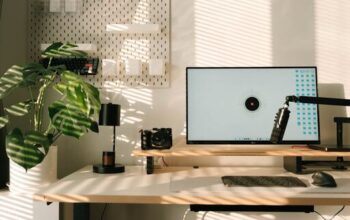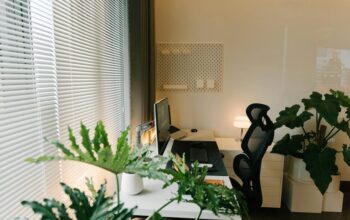
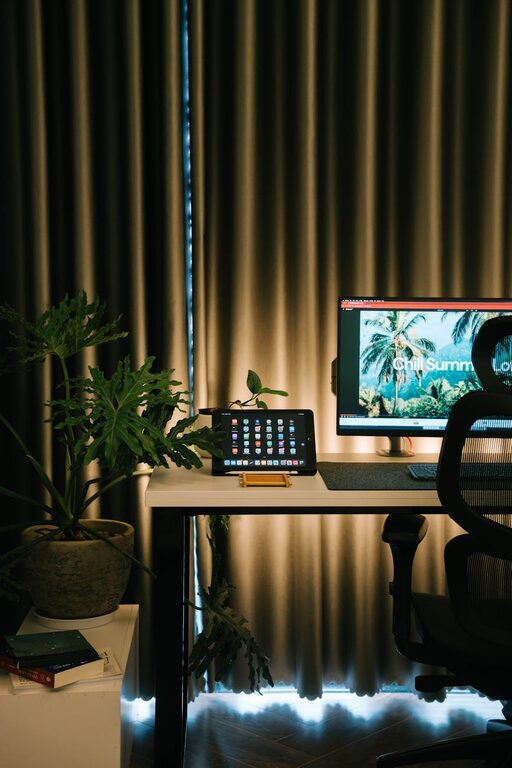
Creating a cozy and productive home office environment is essential for anyone working from home. A well-designed workspace helps you stay focused, reduces stress, and inspires creativity throughout the day. Whether you’re setting up a new office or improving your current one, these tips will guide you in crafting a space that feels both comfortable and efficient.
Choose the Right Location
Selecting the perfect spot in your home is the first step. Consider the following:
– Natural Light: Try to position your desk near a window. Natural light improves mood and helps reduce eye strain.
– Quiet Area: Find a space away from high-traffic zones to minimize distractions.
– Room for Movement: Ensure you have enough space to move comfortably, stretch, and change posture.
If space is limited, even a corner of a living room or bedroom can be transformed into a functional workspace.
Invest in Comfortable Furniture
Your office furniture plays a big role in both comfort and productivity.
Ergonomic Chair and Desk
– Choose a chair that supports your lower back and encourages good posture.
– A desk with enough surface area to hold your computer, documents, and other tools is important.
Adjustable Options
– Desk height adjustability or sit-stand desks promote movement and prevent stiffness.
– Consider ergonomic accessories like footrests and keyboard trays for extra support.
Optimize Lighting
Good lighting can make a big difference in how you work.
– Use a mix of natural and artificial lighting.
– Avoid harsh overhead lights; instead, add desk lamps with adjustable brightness.
– Position screens to reduce glare and reflections.
Keep It Organized and Clutter-Free
A tidy workspace helps clear your mind and improve focus.
– Use shelves, drawers, and organizers to keep supplies neat.
– Maintain a daily cleaning routine to prevent clutter build-up.
– Limit decorations to a few meaningful items to create a personalized but distraction-free environment.
Include Personal Touches for Comfort
Adding elements that make you feel relaxed can boost your mood and motivation.
– Incorporate plants: They add color and improve air quality.
– Use soft textiles like cushions or area rugs to create warmth.
– Display artwork or photos that inspire and uplift you.
Minimize Noise and Distractions
Sound control is key to maintaining concentration.
– Use noise-cancelling headphones or white noise machines if needed.
– Install rugs or curtains to soften echo and absorb sound.
– Set boundaries with family or roommates during work hours to reduce interruptions.
Use Technology Wisely
The right tools can enhance your workflow.
– Invest in a reliable internet connection and quality peripherals like a good mouse and keyboard.
– Use cable organizers to keep wires neat and avoid a tangled mess.
– Keep software and devices updated to prevent technical issues.
Establish a Daily Routine
A consistent routine can help your brain associate your space with work.
– Set regular work hours and stick to them.
– Take short breaks every hour to stretch and refresh your mind.
– Create a clear “start” and “end” to your workday, signaling time to focus and relax.
Ensure Proper Ventilation and Temperature
Comfortable air and temperature levels can influence productivity.
– Keep windows open when possible to let fresh air in.
– Use fans or heaters to maintain a cozy temperature.
– Avoid spaces that are too hot, cold, or stuffy.
Add Storage Solutions
Having a place for everything reduces time spent searching for items.
– Use vertical storage like wall-mounted shelves to save floor space.
– Label boxes and files to quickly find what you need.
– Regularly declutter to keep your system effective.
—
Creating a home office that is both cozy and productive requires attention to comfort, organization, lighting, and personal touches. By combining these elements thoughtfully, you can enjoy a workspace that supports your best work and well-being every day.